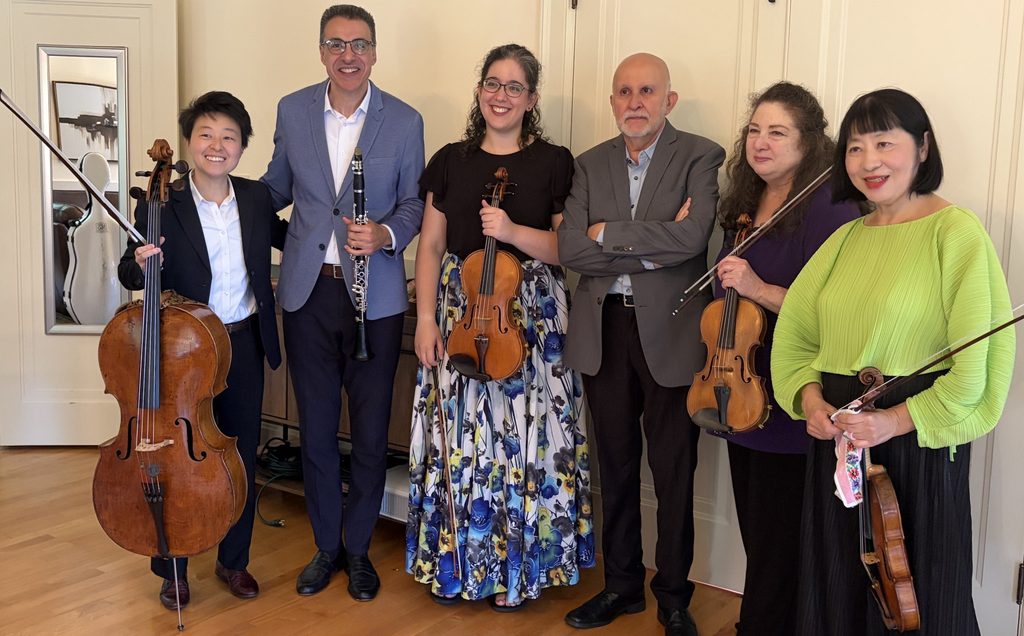
The 2 pm pre-concert talk by Fred Baumgarten was on the American composer Anthony Philip Heinrich (March 11, 1781 – May 3, 1861), the first “full-time” America composer who is remembered for his operatic style song recitations. He was inspired by the scenery of his 700 mile walk through Pennsylvania. He was jokingly called the Beethoven of America by a music critic because he had conducted a Beethoven symphony in 1817, the second person to have conducted a Beethoven symphony. His song compositions were amusing, quirky, original; a few of these songs were performed.
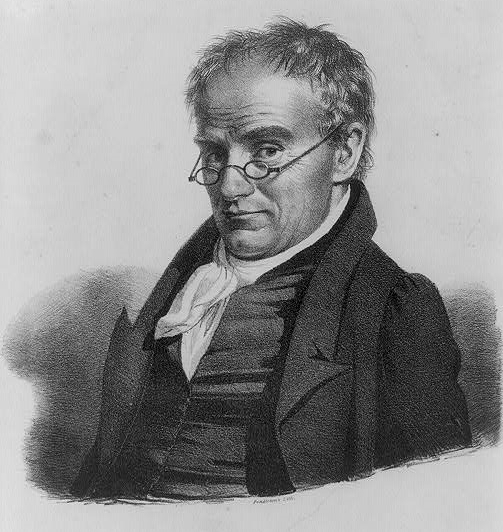
The Cassatt String Quartet bracketed its more serious performance of Mozart with short, humorous pieces. Folk Songs in Counterpoint by Florence Price (whose work is currently undergoing a revival) tossed two American pop tunes into alternating counterpoint: Clementine and Shortnin’ Bread. Each folk tune refrain was accompanied by several witty counterpoint presentations.
Viola Quintet in G Minor, K. 516 (1787) by Wolfgang Amadeus Mozart was written in the month of May when Mozart’s father Leopold died. This is the most tragic, autobiographical composition Mozart had ever written. His relationship with his father was complex, as his father often disapproved of how Wolfgang conducted his unconventional life. While Mozart is famous for his keyboard compositions, he also played the viola, and he was the first composer to celebrate the viola as a major instrument. Strings are better suited to lamentation than a keyboard. Mozart first began to draft the work in A but turned to G Minor.
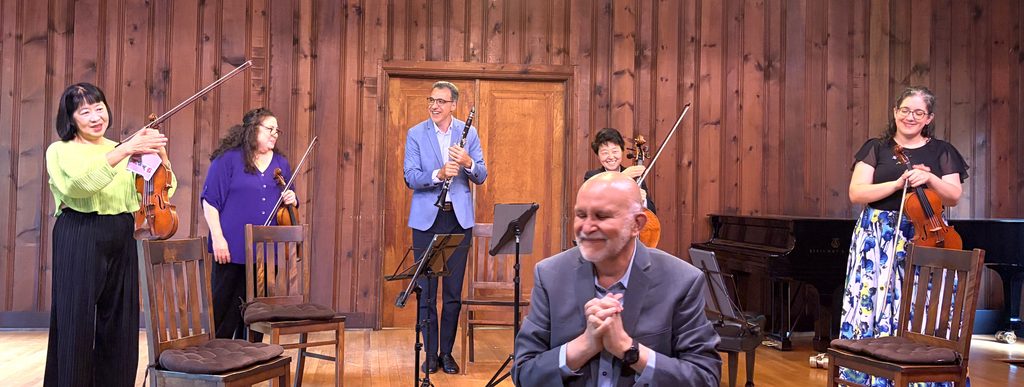
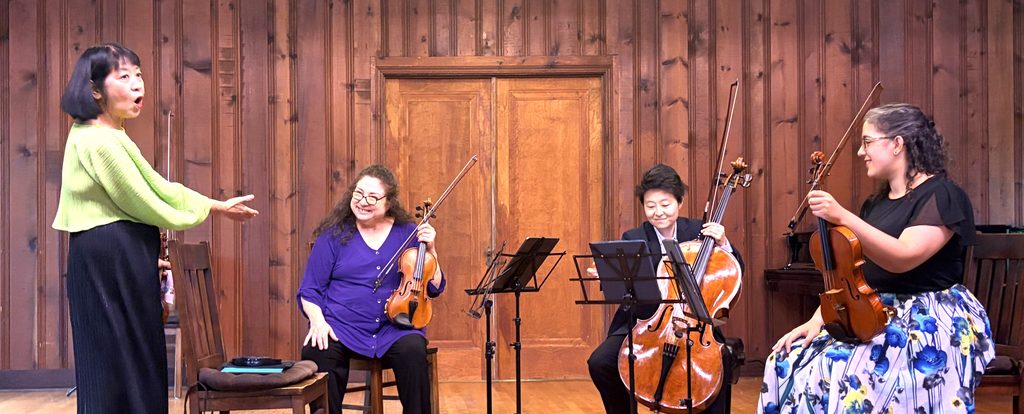
Muneko Otani on first violin and Laura Jean Goldberg on second violin freighted the lament with deep passion, while the grave and nimble cello under the hands of Yi Qun Xu “voiced” the stern character of Leopold with complaints on Mozart’s inspirational behavior. Amy Galluzzo on first viola presented the voice of Wolfgang, while Javier Montiel on second viola portrayed the voice of Mozart’s sister Nannerl. Memories and incidents flood the composition, some delineating conflict while gratitude is expressed for the family’s musical gifts and public success. When composing this work, Mozart’s own health was not so good. While lamentation predominates, the concluding Allegro offers a reversal: a celebration of one of the most famous musical families (aside from J.S. Bach) which becomes comically repetitious as it embraces the theme of” “practice makes perfect,” as it recalls Leopold’s demands that Wolfgang and Nannerl perform the same elementary melody nearly countless times….
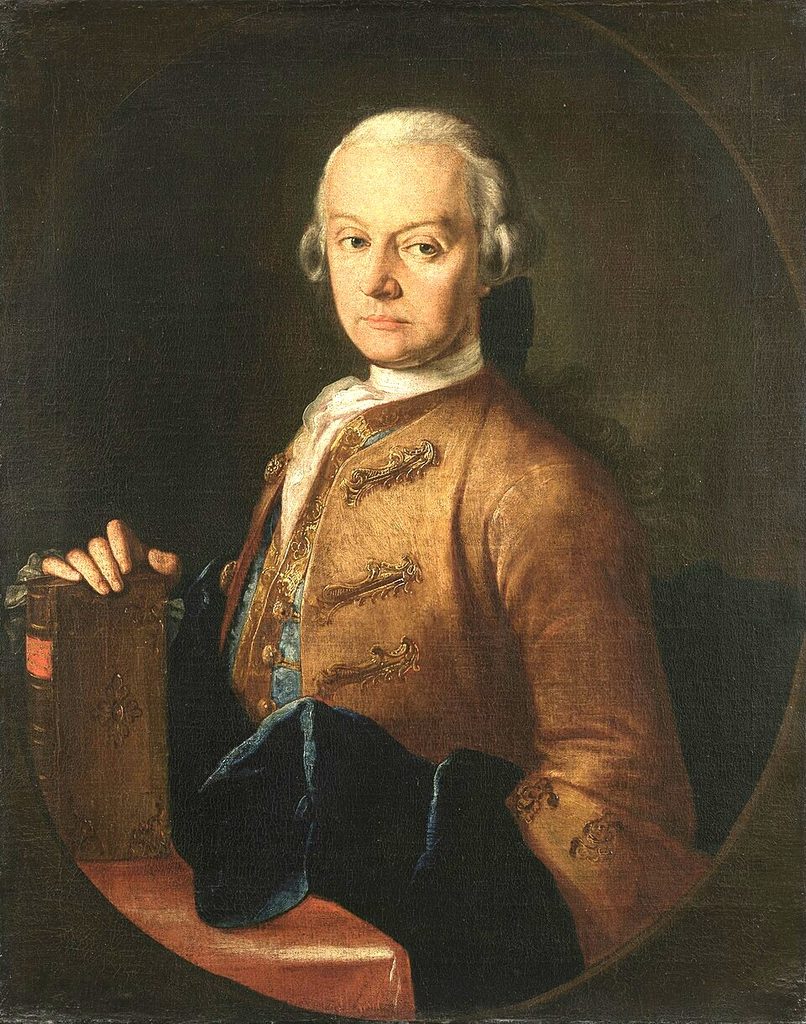
The Cassatt String Quintet painted this family portrait with deep emotion, disturbing when appropriate, with wounded lamentation in one of Wolfgang’s most intimate public confessions.
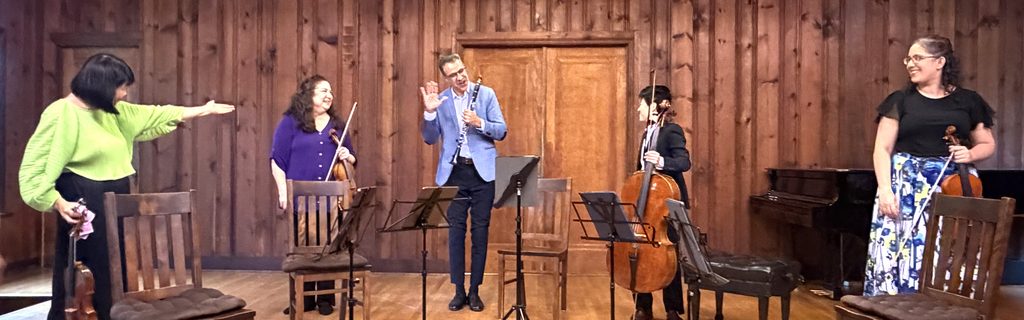
An upbeat work followed. The World Premiere of Mountain Wind by Javier Montiel followed with the addition of Oskar Espina Ruiz to the Quartet. This delightful quintet with Oskar’s clarinet opened with the slow rise of the sun, the composer awakening for breakfast and a shower, then celebrating the day by getting down to work on composing music, deliberating on musical directions, and celebrating the success of completing the work. Oskar had worked closely with Montiel on this work where the clarinet is the featured instrument, and I must say that Oskar’s performance of his instrument was impressively in top form. Here the theme of family was extended to friends with generous delight.
After Intermission, Clarinet Quintet in B Flat Major, Opus 34 (1815) by Carl Maria von Weber. This work was composed to highlight the singular possibilities of the clarinet as a more forceful leader of instruments, going beyond Mozart’s presentation of smoothly integrating the clarinet into a quintet. The plot in four movements appears to center around the planning and execution of a hunt. The opening Allegro appears to be a meeting for a proposed hunt. The clarinet, as the instrument of the human voice, asserts that it is the leader in charge of the event. The cello fiercely supports the clarinet. The second movement, Fantasia, lets the imagination and instruments float some wild ideas with fraternal zest. The Menuetto describes the gathering of tools and “ingredients” for the event. The concluding Rondo presents the hunt and hounds at full speed with the clarinet leading the hunt through the landscape of music and life.
This was the fortieth year of the Cassatt String Quartet at Music Mountain, and it still remains a stalwart performer of exciting and illuminating programs.
Next Sunday Penderecki String Quartet and pianist Victoria Schwartzman at Music Mountain will perform Beethoven String Quartet in E Minor, Op. 59/2 “Razumovsky”; Pendercki String Quartet # 4; Dvorak, Piano Quintet in A Major, Op. 81.