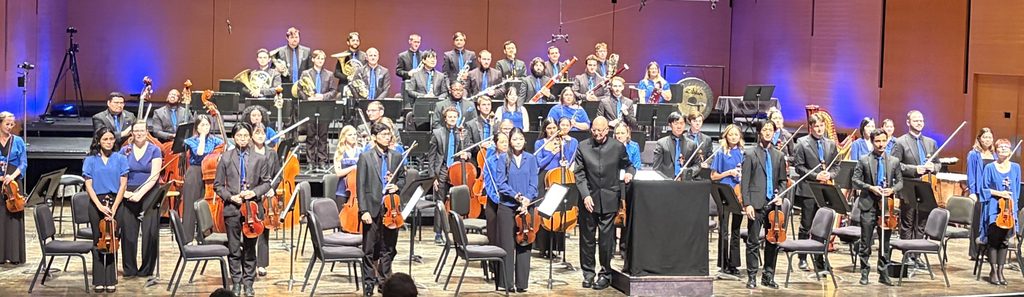
Friday night at Sosnoff Theater time went backward. One can, of course, instruct and highlight by going backward or forward. The evening opened with a rarely performed gem by Friedrich Gersnheim (July 17, 1839 – September 11, 1916), Zueinem Drama, Op. 82 (1902). This was the first New York performance since 1913! As an obscure masterpiece fallen off a musical library shelf, this was the most exciting music of the night’s program.
The work is a meditation on the archetypal structure of drama. The many violins under Shan (Serena) Bai were welded in unison during the first movement, Allegro, yet their acclamation was challenged by the horn of Lee Cyphers and the trumpet of Nathan Lyle. The clarinets of Craig Swink and Timothy Coffey (bass clarinet) were the decisive force of reason in this drama that was abstractly an iconic psychological prototype of the genre, which was thrilling! The oboe of Nathalie Graciela Vela, the flute of Wen-Hsiu (Angela) Lai, and the bass gang under Shion Kim played an important role in the Andante. The solution to the conflict was in the solid underpinning of the cellos under Hannah Brown. As I write, I am still haunted by this little performed masterpiece….
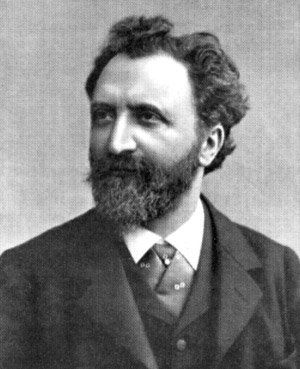
Symphony No. 3 in C minor, Op. 54, Song of Miriam (1887) by Gernsheim told the story of the elder sister of Moses who rescued him when he was a baby in the book of Exodus. As a young music student of fourteen, he visited London and heard Handel’s Israel in Egypt and was haunted by this masterpiece. I really enjoyed the work. On the one hand, a story narrative assists the listener in following the story, but on the other hand, language reduces the nuances of abstract music. The work appeared to inhabit an in-between space between symphony and opera. Perhaps this excellent work might be turned into an opera by a composer and librettist? It seems that it is waiting in the wings for that to happen. The second movement, Adagio, cries out for accompanying words. The jubilant conclusion registers satisfactory happiness…. The usually taken-for-granted violas under Enoch Ng projected much emotion, and the furious timpani of Pei Hsien (Ariel) Lu was phenomenal.
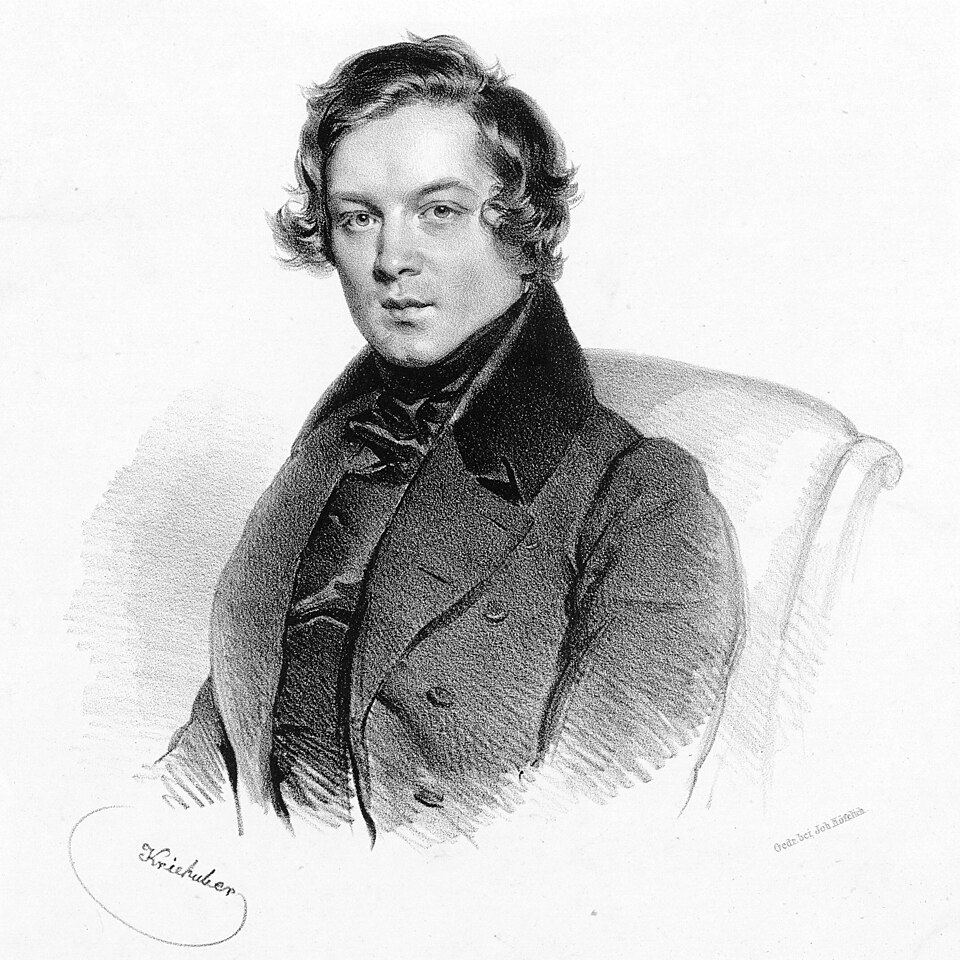
After Intermission, Piano Concerto No. 1 in D minor, Op. 15 by Johannes Brahms opened on a more somber note. The impressively captivating opening appears to invent a manic dialogue between the orchestra and the piano, which seems to be the voice of Robert Schumann, who had recently committed suicide by diving into a river.
The symphony seems to be a dialogue with the dead composer. The piano explains, in angry bursts of fiery keyboard antics, Robert’s hopeless situation of brain reduction loss and the madness it produces, which is unlivable. The symphony is a great tribute to the dead composer, who has the last word against an audience who cannot understand the burden of insanity. This unusual symphony exists in the ethereal world of the sublime. In the dialogue with the orchestra, the dead man has the final say.
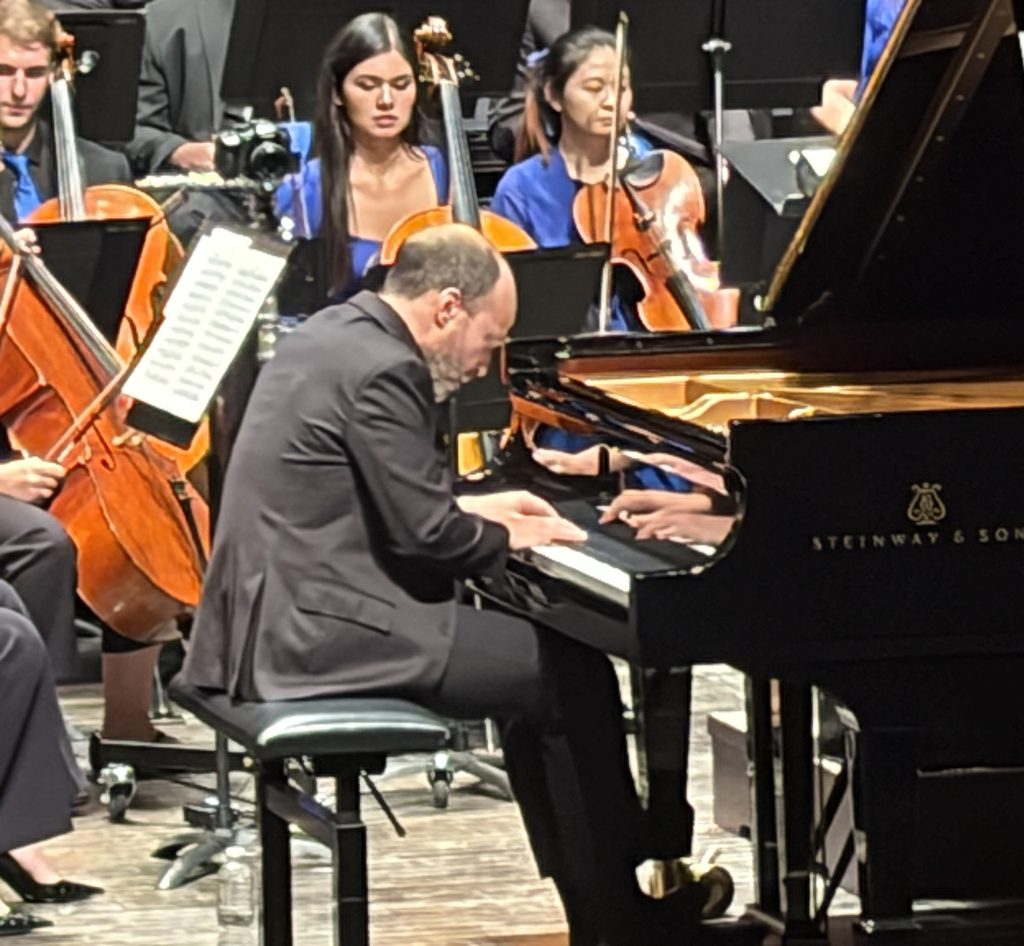
This composition demands a great pianist, and Brahms was one. Pianist Orion Weiss subbed for Brahms with crisp clarity, angry emotion, exasperated confusion, and otherworldly eloquence. The audience erupted with excitement, bestowing long and loud applause. Weiss took three bows, and the audience demanded more, so he genially played an encore, which displayed pleasing and gentle wit.
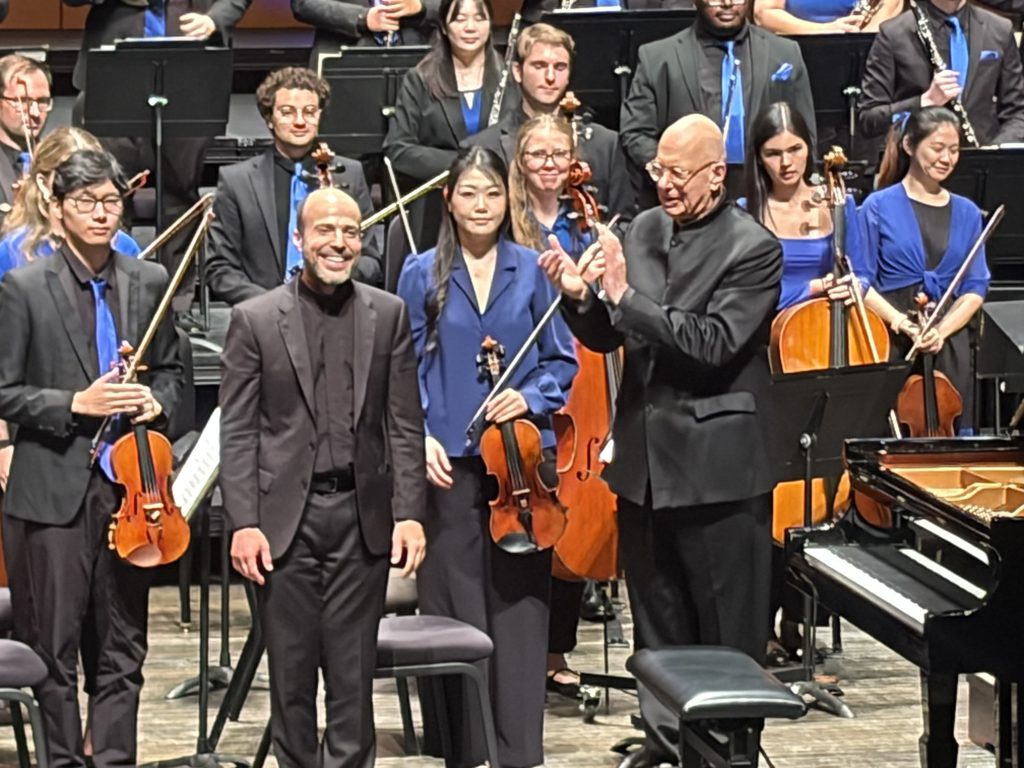
P.S. The Brahms Finale was a contemporary political allegory for what is happening to our country.