by Kevin T McEneaney
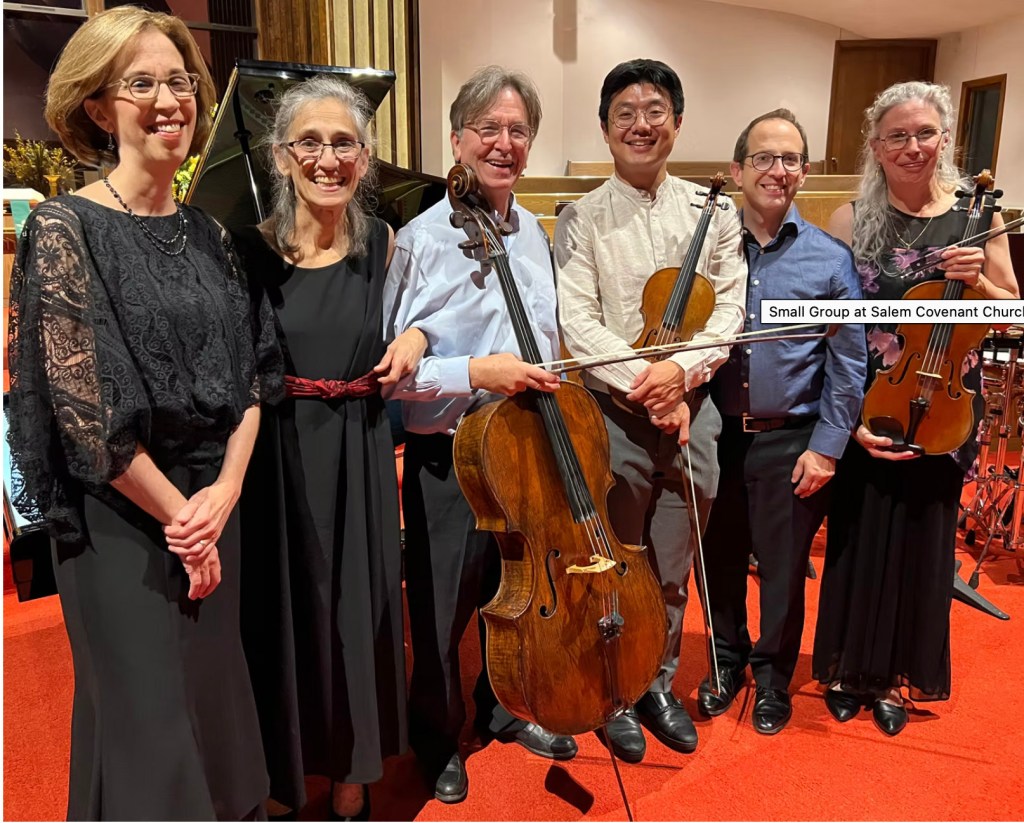
Last Sunday night at Saint Andrews Episcopal Church, The Sherman Ensemble outdid themselves in a remarkable, historic performance. The program theme, American Genius, was the honoring of immigrant composers who contributed great classical compositions to the history of American music.
Although Leonard Bernstein was born in Lawrence, MA (both his parents were immigrants), he was the first American-born conductor to lead a major American symphony orchestra; he also introduced elements of American pop music into classical music.
The Sherman Ensemble opened with Overture to Candide (1956) by Bernstein. That operetta embraces the theme of Europeans becoming assimilated to American culture. This operetta became the first American operetta to be performed globally. The version performed provided a flute arrangement by Tim Mulleman. On the flute, Susan Rotholz was absolutely stunning, as was the clarinet of Alan Kay, principal clarinetist of the Orpheus Chamber Orchestra. While this was a sextet version, it sounded like an orchestral version.
The Ensemble performed Suite from Histoire de Soldat (1918) by Igor Stravinsky, which was an hour-long orchestral work, yet here performed in a seven instrumental version that Stravinsky wrote for his principal backer, Werner Reinhart, in gratitude for his support for its first production. The storyline tells the story of a soldier who sells his body to the devil for a pittance and puts him into the warfront. The violin represents the voice of the soldier marching to battle in bad weather; here Michael Roth on violin was superb as was Susan Rotholz on flute. In the third movement Alan Kay on clarinet was fabulous. with impressive backing by violist Sarah Adams. In the fourth movement Tango-Valse-Rag, Eliot Bailen on cello excelled. In the rousing fifth movement the piano of Margaret Kampmeier exploded with passion.
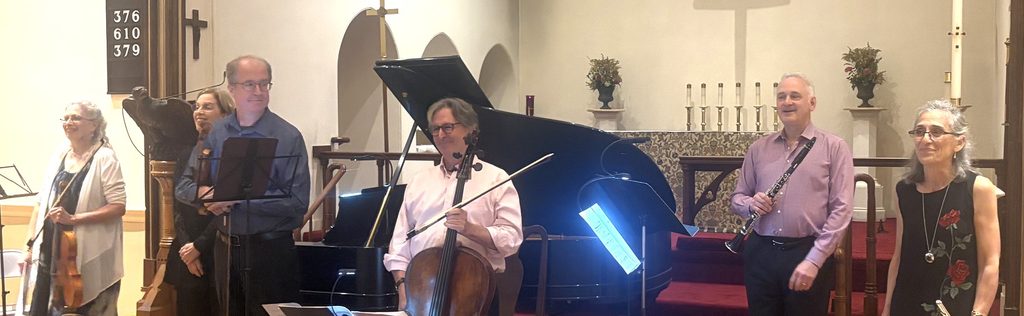
Béla Bartók’s compositions were influenced by his work as an ethnomusicologist. His Suite Paysanne Hongroise, originally written for solo piano, was arranged by his student Paul Arma for flute and piano, here performed by Margaret Kampmeier and Susan Rotholz. This was a lively collection of moods and folk-dance motifs.
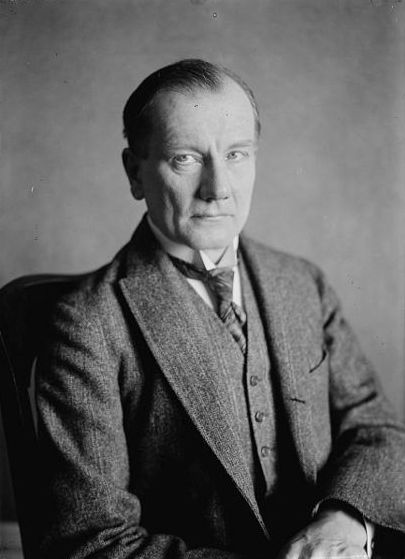
Ernst von Dohnányi, the musical director of Hungarian radio, managed to leave communist Hungary in 1948, departing for Argentina, then becoming a graduate school professor at Florida State University in 1949, where he taught piano for a decade, bestowing a doctorate on piano to only one student. He and his wife became American citizens in 1955.
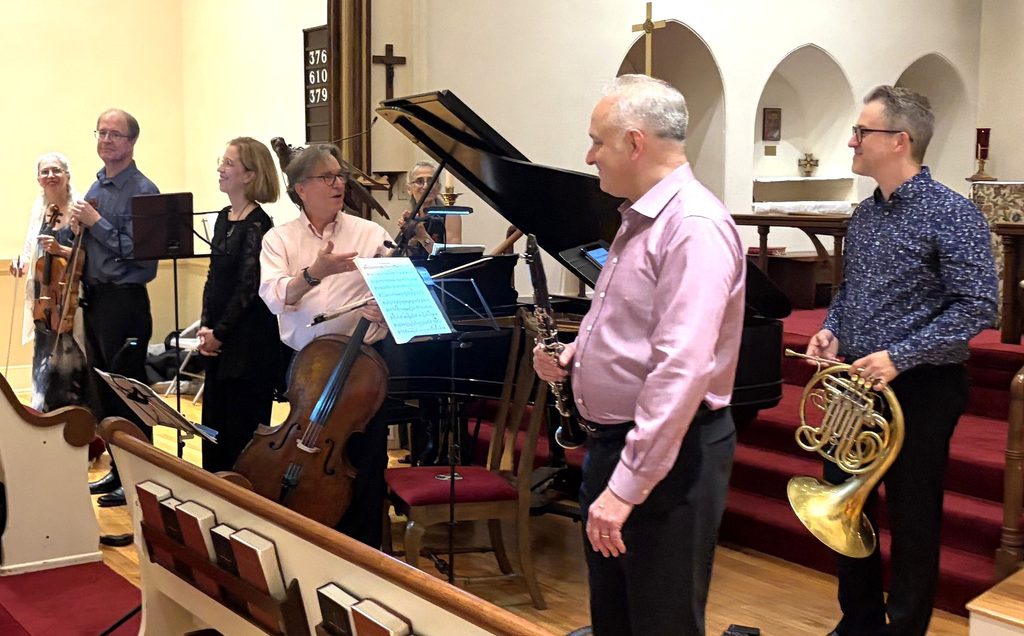
Sextet in C Major for piano, violin, viola, cello, clarinet and horn, Op. 37, was composed in 1935. The principal influences on his work were Liszt and Brahms. The opening Allegro appears to be commentary on the dangers of dictatorship. The succeeding Adagio is a nightmare march dramatizing the horror of World War II. The third movement Scherzo offers a Mendelssohn-style allegory on the Communist aftermath of the war. The lively Finale opens with jazz ragtime piano and clarinet that charts his immigration to America, as cello, violin, and viola vigorously re-enforced jazz musical motifs. The conclusion recalls the opening motif, which has been translated from classical structures into jazz idioms that celebrate the freedom of American governmental democracy.
That provided poignant resonance, since we are now teetering on censorship and fascism. The piano was the director of the ensemble, and I am sure that Dohnányi would have applauded the exquisite pianism of Margaret Kampmeier! The five players were joined by Eric Reed from the renowned American Brass Quintet on French horn; he played with perfect pitch, delivering impressive resonance.
P.S. This weekend The Sherman Ensemble is performing five concerts over three days. Three of their Bluegrass Jamboree concerts are free at the Sherman Town Center on Saturday, September 5 at the Market at 1 pm; Sunday, September 6 at 1 pm at the Kent Barns; and Sunday, September 6 at 5:30 pm at The Judy Black Memorial Park in Washington.